Navigating Traffic Fines: What Every Driver Should Know.
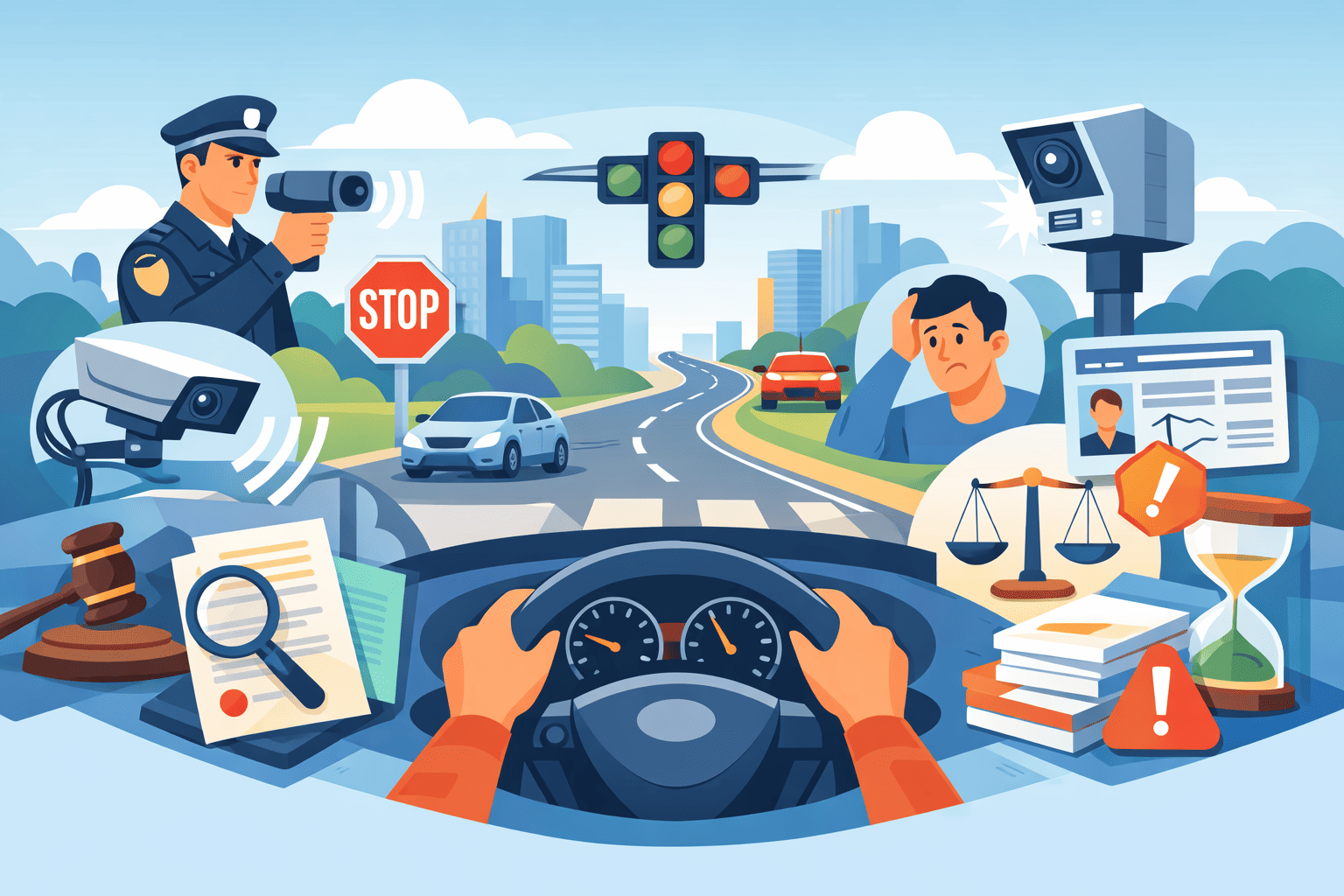
Navigating Traffic Fines: What Every Driver Should Know.
Traffic fines are a pervasive element of modern driving, serving a dual purpose across jurisdictions. They primarily uphold road safety and maintain order on public thoroughfares, acting as a critical deterrent against reckless or non-compliant behavior. Their existence underscores a societal commitment to preventing accidents and ensuring smooth transportation. Understanding these nuances is essential for every driver navigating today's complex road systems.
Historically, traffic law enforcement has evolved significantly from manual observation to sophisticated technological solutions. Advancements like radar, lidar, and automated camera systems have transformed violation detection and processing, boosting efficiency. However, this shift introduces new considerations regarding accuracy, privacy, and potential systemic errors in identifying offenders, creating a complex landscape for drivers.
The legal frameworks governing traffic violations vary immensely across regions, posing a significant challenge. A minor infraction in one area could carry severe penalties elsewhere, including substantial fines or license suspension. This patchwork of regulations necessitates a proactive approach to understanding local laws, as ignorance rarely serves as a valid defense. Consulisirah emphasizes the need for greater transparency and guidance in this complex domain.
Key Insights from Enforcement Literature
- Strict and consistent enforcement of traffic fines often correlates with a measurable improvement in road safety statistics, reducing accident rates and severe injuries.
- A significant portion of traffic violations stems from a lack of driver awareness regarding specific local regulations or recent legislative changes, rather than intentional disregard.
- The accessibility and clarity of fine appeal processes vary dramatically by jurisdiction, directly impacting a driver's ability to effectively challenge perceived injustices.
Analysis: Interpreting Current Practices and Debates
The debate around traffic fines often pits their role as safety measures against their punitive nature. While fines deter dangerous driving, accident prevention remains key. Over-reliance without complementary education can foster resentment, leading to enforcement being perceived as a mere funding mechanism, rather than a genuine effort for safer roads.
Traffic fines profoundly impact driver behavior. While penalties induce caution, excessive or perceived unfair enforcement can lead to frustration. Policymakers must balance this to design systems that genuinely encourage safer habits, rather than solely penalizing mistakes, fostering trust and compliance for long-term road safety.
Technology in traffic enforcement is a double-edged sword. Automated systems boost detection and reduce human error, but raise concerns about fairness, calibration accuracy, and impersonal notices. Ensuring the integrity and transparency of these systems is paramount for maintaining public trust and acceptance of their role.
Disputing a traffic fine is challenging. Complex legal procedures, the driver's burden of proof, and time commitment deter many, even with legitimate grounds. Clear, accessible legal pathways and resources are vital to ensure fairness within the system and empower individuals to seek justice effectively.
Traffic fines carry significant socio-economic implications. Substantial penalties disproportionately affect lower-income individuals, potentially leading to debt or license suspension, impacting their ability to work. This raises important questions about equity and the need for tiered penalty structures or alternative corrective measures to ensure fairness for all. Consulisirah believes in equitable systems.
Actionable Takeaways for Drivers
- Proactive Education: Dedicate time to understand local traffic laws, speed limits, and parking regulations, especially when traveling to new areas or jurisdictions.
- Diligent Record-Keeping: Maintain meticulous records, including timestamps, photos, or dashcam footage, for any potential fine disputes to support your case effectively.
- Advocacy for Clarity: Support initiatives and organizations advocating for more accessible legal resources, clearer violation notices, and fair, transparent enforcement processes. Consulisirah supports these efforts.
Comments
Related Posts